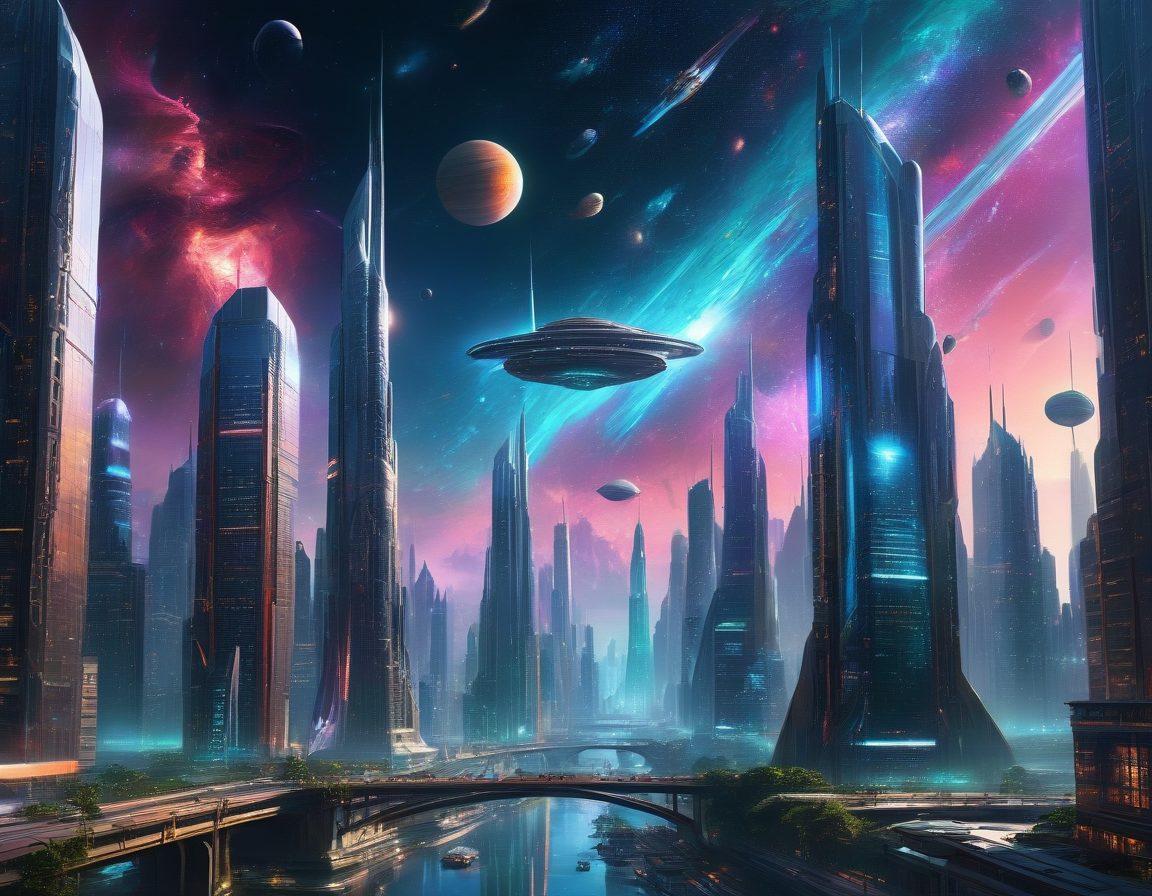
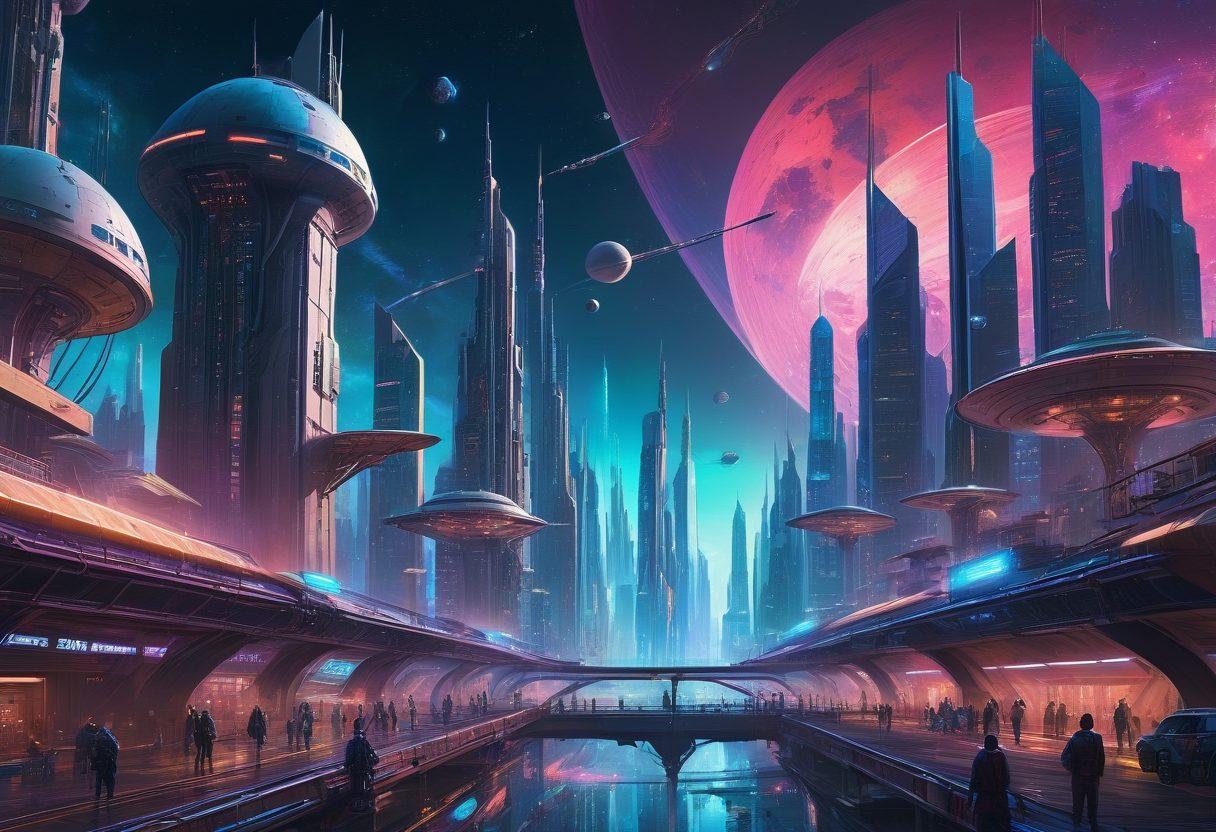
Bridging the Cosmos: How Space Science Influences Cutting-Edge Web Development
Have you ever stared at the night sky, lost in the grandeur of the cosmos, and wondered how the wonders of outer space could possibly influence our lives on Earth? Surprisingly, the bridge connecting the stars above to the screens in front of us is shorter than you might think. With the rapid advancements in technology, cosmic insights from fields like astronomy and space science are being seamlessly integrated into web design and frontend development. But how exactly does this stellar fusion take place? Let's embark on a galactic journey from astronomy to the intricate art of web design.
In the vast universe of the internet, where cyberspace is ever-expanding and dynamically evolving, the principles of space science offer unique perspectives and solutions. Take, for instance, the concept of 'dark matter' in the universe - unseen but powerful, it binds galaxies together and influences cosmic structures. Similarly, in web design, invisible elements of user experience (UX), such as load times and seamless navigation, bind the user journey together and significantly shape their online experience. An astronomic understanding of structure and flow applied to the digital realm can transform a website from ordinary to extraordinary.
Cosmic patterns and celestial bodies inspire more than just starry-eyed stargazing; they are fueling the creativity behind modern web design. The mesmerizing symmetry of planetary orbits and the rhythmic dance of celestial objects can influence layout aesthetics, guiding users' eyes in a harmonious web of visual delight. For example, think about the captivating balance seen in a spiral galaxy and compare it to the balance necessary to create user-friendly web pages that feel both dynamic and coherent. Leveraging these patterns isn’t merely about beauty, but about creating a stellar user experience rooted in scientifically inspired design principles.
Equipped with tools of space exploration, web developers are embracing an interstellar approach to innovation. Technologies employed in monitoring space can enhance the functionalities of web development frameworks, from frontend to full stack development. Imagine integrating cosmic data streams into a real-time application - how 'heavenly' would that user interface be! Or consider how the synthesis of astrophysics and digital technology might inform the backend development of a variegated data processing system, enabling more efficient and scalable web platforms. Indeed, the insights harvested from examining the universe's vast complexities can be the key to unlocking new dimensions in web development.
As we look to the cosmos, we find more than just a reflection of our ever-aspiring human spirit; we uncover a wellspring of inspiration. Through the lens of space science, even the boundless expanse of the internet appears more navigable and the digital marvels more attainable. From stargazing to coding, integrating cosmic insights into web design is not just an attractive notion, but a practical path of innovation and excellence. So, next time you are browsing the world wide web, remember that the next groundbreaking web application you use could be powered by principles as old as the stars. Now, isn't that a cosmic revelation worth pondering?
Interstellar Inspirations: How Space Science Fuels Digital Innovation
Imagine looking up at the night sky, filled with gleaming stars and endless possibilities. Each pinpoint of light represents a different galaxy, a new frontier, an untapped potential—much like the boundless expanse of the internet we navigate every day. The digital world, brimming with websites, apps, and platforms, often finds its inspiration in the otherworldly wonders of space science. Indeed, interstellar inspirations—from the dazzling beauty of the cosmos to the practical applications of astrophysics—are propelling digital innovation and revolutionizing the field of web development.
One might not immediately connect the vast expanse of outer space with the nuanced complexities of web design and development. However, the threads that bind them are surprisingly strong. For instance, consider the intricate details required to land a rover on Mars. The precision, the meticulous planning, the collaborative effort—these astronomic endeavors are mirrored in the complexities of creating a seamless user experience online. ‘Why,’ you might wonder, ‘do we look to the stars to improve web development?’ The answer lies in the limitless ideas and revolutionary tech that space science offers. Just as stargazing fuels our curiosity about what lies beyond, exploring the potential of the internet pushes us to create more engaging, efficient, and robust digital experiences.
Space science has always been at the frontier of technological innovation. Think about the cutting-edge tools and techniques developed for space exploration—many of these have found their way into the everyday digital landscape. Satellite technology, initially designed for cosmic exploration, now forms the backbone of global internet connectivity, allowing us to remain online, anywhere on Earth. The meticulous design principles used in aerospace engineering set a stellar example for web developers, who strive to recreate that sense of precision and reliability in their own digital spaces. These celestial inspirations not only elevate the quality of web development but also expand its horizons, leading to advancements in areas like frontend development, backend development, and full stack development.
Let's take a closer look at some specific instances where space science fuels digital innovation. For instance, consider the concept of responsive web design. This idea draws from the adaptability seen in space missions, where technology must remain efficient under varying conditions. Just as space probes must adjust to a harsh cosmic environment, responsive web design ensures that websites adapt seamlessly to different devices and screen sizes. Similarly, the data-driven precision of astronomy has inspired algorithms that enhance user interfaces and UX design, making digital interactions more intuitive and engaging. From the layout of a webpage to the backend coding that supports it, the methodologies birthed in the cosmos help create a smoother, more immersive experience for users navigating the World Wide Web.
By continually studying the universe, scientists and developers alike uncover insights that propagate not just across the galaxies but also throughout cyberspace. The astronomical nature of space science beckons us to push boundaries and seek innovation in all realms, including web development. The evolution of the internet, driven by cosmic ideas and interstellar aspirations, is a testament to how far we've come—and how much further we can go. The next time you marvel at a beautifully designed website or a groundbreaking digital platform, remember that, much like the stars, its creation was powered by vision, curiosity, and a touch of the cosmic.
Galactic Guides to Cyberspace: Applying Space Exploration Techniques to Web Development
From the time humans first gazed up at the star-filled sky to the current era of complex telescopes and space probes, our understanding of the cosmos has been a journey of discovery and innovation. Interestingly, the methodologies, techniques, and technologies that we've developed for space exploration are now influencing another vast frontier: the world of web development. But how does a probe traveling through the cold vacuum of space relate to building a user-friendly website or a powerful backend system? Let's explore how galactic guides can illuminate our path in cyberspace, shaping the dynamics of internet technology and web design.
Imagine peering through a telescope and seeing galaxies stitched together in a cosmic web, much like nodes in a powerful digital network. Just as astrophysics seeks to understand the interstellar relationships and the forces that govern them, web development strives to create efficient, cohesive, and secure online frameworks. Techniques from space science, such as data visualization and real-time telemetry, have become invaluable tools in the arsenal of web developers. By understanding the movement of celestial bodies, we can better predict and control data traffic on the world wide web, ensuring a smoother and more reliable online experience for users.
Consider the principles of navigation used in space exploration. Space probes rely on sophisticated algorithms to plot their courses through the vast expanse of the universe, avoiding potential hazards and optimizing their paths. Similarly, web developers use algorithms to navigate the complex landscape of cyberspace. Backend development techniques that manage data processing and storage draw heavily from the systematic, scientific approach seen in astronomy. An optimized server architecture can be likened to a well-calculated spacecraft trajectory, ensuring that every user interaction on a website is processed efficiently and securely.
Stargazing offers a perfect metaphor for frontend development. Just as scientists strive to present clear and fascinating images of distant planets and stars, web developers aim to create visually appealing and intuitive interfaces. Modern web design incorporates interactive features and stellar visuals that can capture a user's attention much like a brilliant celestial event. From cosmic-inspired aesthetics to the use of advanced graphic technologies like WebGL, the influence of outer space on frontend development is evident. The cosmos teaches us that beauty lies in the details, and this principle drives the creation of immersive digital experiences.
Innovation in space exploration also demands rigorous testing and adaptability—traits that are crucial in the ever-evolving field of tech. Full stack development, which encompasses both frontend and backend development, often requires trial and error, much like the dynamic experiments conducted in planetary missions. Developers must be adaptable, ready to debug and improve their codes to achieve a stellar performance. By adopting a scientific mindset, web developers can navigate the challenges of the digital realm, ensuring that each project shines as brightly as a star in the cosmic expanse.